
Support for Practice Managers
Create Smoother Operations and a More Aligned Team

When processes aren’t aligned, strain can spread practice-wide
When clinical skills vary across roles, and scheduling or triage decisions aren’t consistent, pressure builds quietly across the practice.
Appointments run long, doctors get pulled into non-clinical distractions, technicians operate at uneven levels of autonomy, front desk decisions ripple downstream.
Over time, small inefficiencies compound into workflow breakdowns, communication gaps, and rising stress across the entire team. And when the strain becomes constant, burnout isn’t far behind.

A Sytems-Focused Partnership
Dr. Pam Edwards partners with practice leaders on consultative assessment and recommendations designed to improve efficiency and consistency across the care pathway.
Area's of focus include:
Practice Flow and Intelligent Scheduling Consulting
Consulting for clinics that want to improve scheduling templates, triage logic, team utilization, and throughput while supporting spectrum‑of‑care delivery and doctor well‑being
How this works:
Step #1
Diagnose the Bottlenecks
Pam begins with a structured assessment of how your practice operates day to day, reviewing workflows, scheduling, triage, and team competencies to identify where strain and inefficiencies originate.
Step #2
Design Clearer Systems
Based on the assessment, Pam develops practical recommendations to improve alignment across roles, standardize processes, and strengthen scheduling and triage systems.
Step #3
Strengthen the Team
Pam then works with practice leadership to guide implementation, support team alignment, and help the practice apply these systems in real-world conditions.
About Dr. Pam Edwards
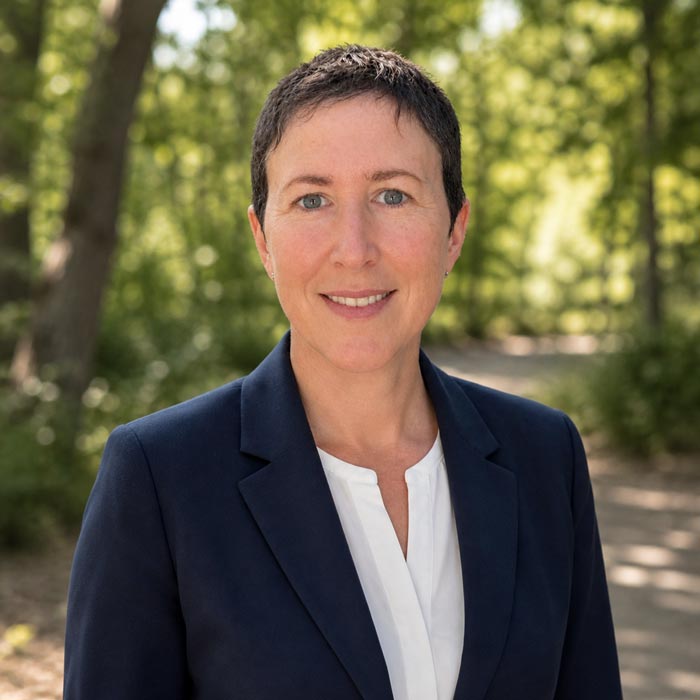
Dr. Pam Edwards is a small animal veterinarian with over 20 years of clinical experience and is a nationally board certified health and wellness coach. Her years in clinical practice have shaped a deep understanding of, and commitment to, the evolving landscape of veterinary medicine, from its traditional, community-based roots to an increasingly corporate model, and the complex challenges this shift poses for pets, families, and veterinary teams.
At her core, Dr. Edwards is guided by a lifelong passion for the human-animal bond and a steadfast commitment to advocating for those who cannot speak for themselves.
I love my shoes! They are a neutral color and pair well with just about any outfit.

Jessica C.
I love my shoes! They are a neutral color and pair well with just about any outfit.
Jack k.
The outcomes I help you find
When roles are clearly defined, processes are consistent, and scheduling decisions follow a shared standard, the entire practice feels different. Days run more predictably. Teams communicate more effectively. Stress levels drop — not because the work is easier, but because it’s structured.